
Overview
What enterprise automation covers, and where Great Minds fits
Enterprise automation means taking the repetitive work that sits between systems, such as re-keying data, chasing approvals, preparing reports and following up leads, and having software do it reliably, with people handling the exceptions and decisions. The tools range from integrations and workflow platforms to robotic process automation (RPA) and, increasingly, AI agents that read context and choose the next step.
Great Minds is a Sydney-based systems integrator, the integrator for the gaps between platforms. Automation is where those gaps show up first: a lead captured on the website that never reaches the CRM, a monthly report built by hand from three exports, a customer record updated in one system and stale in four others. We automate those flows across the platforms we implement, including Salesforce, Atlassian, Microsoft Dynamics 365, Klaviyo and your ERP.
We work with operations, finance, sales and marketing leaders at Australian mid-market organisations who know where time is lost, and with IT teams who need automations to be secure, documented and supportable rather than a collection of scripts nobody owns. We choose the tool per process: an API integration or n8n workflow where systems have good APIs, UiPath robots where work must go through user interfaces, and agentic AI where a step needs judgement.

Capabilities
Automation services we deliver
Most programs start with one of these four areas, because they combine high volume, several systems and a clear measure of success. Each automation is designed with its business owner, monitored after go-live and documented for whoever supports it.
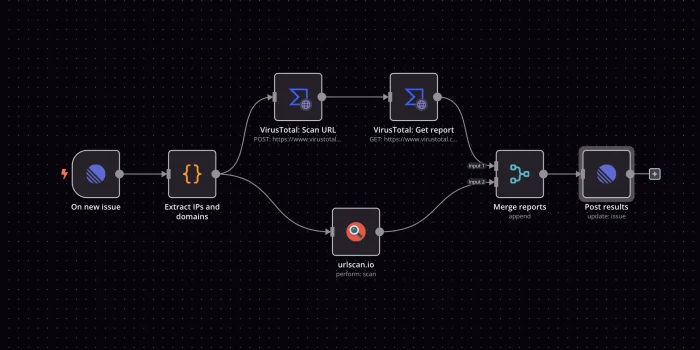 01Report automationData pulled on a schedule from CRM, finance, analytics and service tools, combined and checked, then delivered as a dashboard update or report with commentary drafted for review.
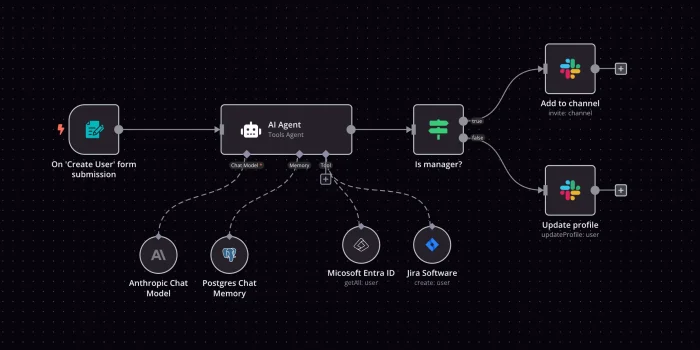 02Outreach automationEmail, SMS and task sequences triggered by customer behaviour or CRM changes, with consent and unsubscribe status checked before every message, in Klaviyo, Salesforce or your marketing platform.
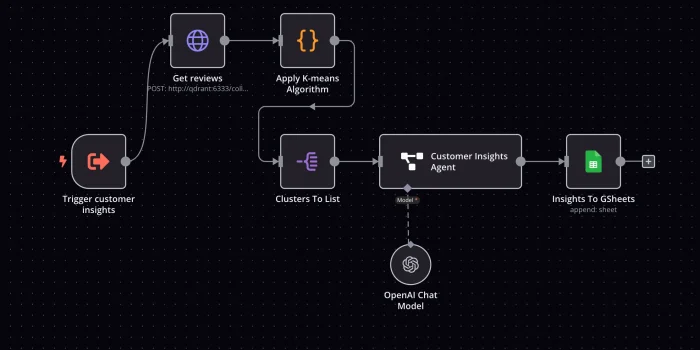 03Lead automationLeads from forms, events and partners de-duplicated, enriched and created in the CRM with the right owner and a follow-up task, so response times stop depending on someone checking an inbox.
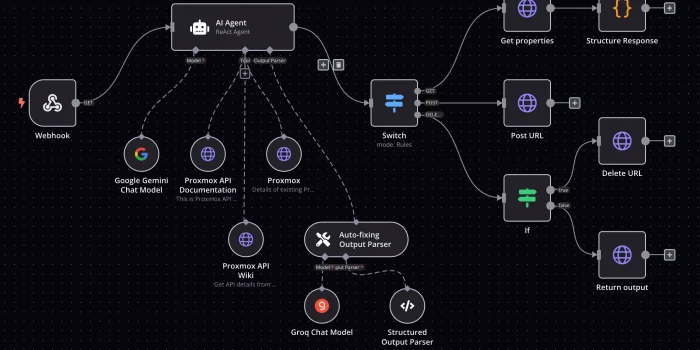 04Data automationRecords synchronised and reconciled between ERP, CRM, commerce and data platforms, with validation rules, error queues and logs, so every system works from the same customer and product data.
Connected platforms
Automation platforms we deliver
We choose the platform per process and connect it to your CRM, ERP and service systems. We have delivery experience on both n8n and UiPath.


How we deliver
An automation program, from process map to production
We map candidate processes with their volume, systems, exceptions and owners, and rank them by value and risk. You get a shortlist, the right tool for each, and a scoped price.
For each process we agree the steps software takes, where a person approves, how exceptions are handled, and which system owns each piece of data, before anything is built.
Integrations, workflows, robots or agents built and tested against real cases and edge cases. AI agents do much of the repetitive build and test work; our consultants own the design and sign off every change.
Monitoring, alerting and a runbook for each automation, with a named owner in the business. We review exceptions and benefits after launch, then extend the program to the next processes.
Australian considerations
What Australian organisations need to check
Automations that make or substantially help make decisions that significantly affect people, such as approving refunds, setting payment terms or screening applicants, fall under the Privacy Act's automated-decision transparency rules from 10 December 2026. They apply to simple rules as well as AI, and to automations already running. Our guide to automated decisions and the Privacy Act explains what your privacy policy must say; we add a privacy check to the design of every automation that touches a decision about a person.
Outreach and lead automation must follow the Spam Act 2003: consent before sending commercial email or SMS, clear sender identification, and an unsubscribe that works and is honoured within five working days. APP 7 of the Privacy Act also governs direct marketing using personal information.
Check where each automation platform and AI model processes data, because APP 8 applies to overseas disclosure; some platforms can be self-hosted in Australia. APRA-regulated entities should treat a business-critical automation platform as in scope for CPS 230 and its privileged accounts as in scope for CPS 234.
FAQ
Enterprise automation questions
Which processes should we automate first?
High-volume processes that span two or more systems, follow mostly consistent rules and have a clear measure of success, such as lead routing, report preparation or data synchronisation. Avoid starting with a process the business hasn't agreed on yet: automating it just makes the disagreement faster.
Should we use n8n, UiPath or AI agents?
It depends on the process. Use API integrations or n8n when the systems have good APIs, UiPath when work has to go through user interfaces or documents, and AI agents for steps that need judgement, such as classifying requests or drafting responses. Many programs combine all three.
How do you stop automations breaking when systems change?
By building them on supported APIs wherever possible, adding error handling, retries and alerts, keeping workflows in version control, and giving each automation an owner. We also test automations whenever a connected platform has a major release.
Can automation handle our marketing outreach legally?
Yes, if consent and unsubscribe rules are designed in. Outreach automations should check consent status before every send, identify the sender and honour unsubscribes within five working days under the Spam Act. Our Klaviyo Gold Advisor team builds these rules into email and SMS flows.
Do automated decisions need to be disclosed under the Privacy Act?
From 10 December 2026, yes, where an automation makes or substantially helps make a decision that could significantly affect someone, using their personal information. That includes rules-based automations, not just AI. Inventory those automations now and update your privacy policy before the date.
How do we measure whether automation is working?
Agree the measure before building: hours saved, response time, error rate or cycle time. We record a baseline, then report against it after go-live, alongside exception volumes, so you can see which automations to extend and which to fix or retire.
People
Automation consultants and integration engineers
Our consultants combine process analysis, integration and platform experience. They design each automation with its business owner and are accountable for the decisions, with AI agents speeding up repetitive build and testing work.
Case studies
Automation work from our case studies
For a Dubai-based manufacturer, our Microsoft Dynamics 365 program standardised more than 120 business processes, reduced manual processing by 60% and made the monthly close 30% faster.
 One asset library for APAC, EMEA and North AmericaModernising creative storage and operations for a global retailerEnabling global brand consistency through enterprise Digital Asset Management
 4x faster campaign execution, 1M+ contacts migratedSalesforce Marketing Cloud to Klaviyo migration with 1M+ email marketing recipientsUnlocking personalised growth at scale through Klaviyo implementation and data migration
 Marketo and Salesforce connected for 2 fund launchesMarketo and Salesforce, connected for a global fund launchMarketo and Salesforce integrated into one marketing automation engine, so Montgomery could launch two global equity funds to the right investors at the right time.
Insights
Automation and agentic AI insights
 Agentic AI for Australian mid-market: 40 use cases by department40 agentic AI use cases across finance, sales, service, IT, HR and operations, with a scorecard to rank them, AUD running costs and the Australian rules.
 Automated decisions and the Privacy Act: what changes on 10 December 2026From 10 December 2026, privacy policies must disclose automated decisions that significantly affect people.
 Agentic AI in systems integration: what it does and how to govern itWhat AI agents do in integration projects and what people still own, MCP, governance, why projects fail, and a real result.