
Overview
Systems integration and AI for manufacturers and distributors
A manufacturer runs on systems that grew up separately: the ERP for orders, stock and finance, product data in spreadsheets or a PIM, a CRM for distributors and dealers, engineering and project tools, and a service desk. When they don't share data, teams re-key orders, product information reaches customers out of date, and month-end close takes days of manual reconciliation.
Great Minds is a Sydney-based systems integrator, the integrator for the gaps between platforms. For manufacturers that means Microsoft Dynamics 365 and other ERPs connected to Akeneo for product data, Salesforce or Dynamics for customers, and Atlassian Jira and Confluence for engineering, projects and service.
AI comes after the plumbing. Once data flows cleanly, AI agents can take on work that's high-volume and checkable: mapping data during an ERP implementation, enriching product records, matching invoices and preparing reports. Our page on agentic AI for ERP implementations covers the patterns.

Capabilities
Manufacturing services we deliver
We work alongside CIOs, CFOs and operations leaders on four kinds of manufacturing work, as separate projects or one program. Each starts by agreeing which system owns products, customers, orders, stock and costs.
How we deliver
A manufacturing program, from audit to rollout
We map your systems, data flows and manual workarounds, and find where data breaks between plant, warehouse, sales and finance. You get a target architecture, a prioritised roadmap and a price.
Data ownership, integration design and the automation worth doing first, agreed with operations, finance, sales and IT before build starts.
Integrations, platform configuration and data migration, tested with real products, orders and customers. AI agents do much of the repetitive mapping and checking; our consultants own the design and sign off every change.
A staged rollout by site, business unit or process, timed around month-end and peak production, with training and hypercare. Then we measure results and extend.
Australian considerations
What Australian manufacturers need to check
Large manufacturers report on their supply chains. The Modern Slavery Act 2018 applies to entities with annual consolidated revenue of at least $100 million, and mandatory climate-related financial disclosures are being phased in for large entities from financial years starting 1 January 2025. Both depend on supplier and operational data that usually lives in the ERP, so integration design affects how easily you can report.
Dealer, distributor and customer contact data is personal information under the Privacy Act, and APP 8 applies when platforms process it overseas. If your operations fall under the Security of Critical Infrastructure Act 2018, check how new integrations and SaaS platforms fit your risk management program before they connect to operational systems.
FAQ
Manufacturing AI and integration questions
Where should a manufacturer start with AI?
With a process that's repetitive, high-volume and easy to check: invoice matching, product data enrichment, order entry from emails or reporting. If ERP data is unreliable or duplicated across systems, fix the integration first.
Can you implement Microsoft Dynamics 365 for us?
Yes. For a manufacturer moving to Dynamics 365, we automated finance, inventory and order processing, cutting manual processing by 60% and month-end close time by 30%.
Do we need a PIM if we have an ERP?
Usually, once you publish product data to several channels. The ERP holds what you need to make and sell a product; a PIM holds what customers and distributors need to choose it. Our PIM page explains when it's worth it.
Can Jira and Confluence work for engineering and operations teams?
Yes. For a global appliance manufacturer we rolled out Jira Work Management and Confluence to more than 50 teams, bringing more than 400 tasks onto one platform.
Can you connect our ERP to our CRM and ecommerce site?
Yes. We integrate ERPs with CRM, ecommerce and dealer portals through their APIs, so stock, prices and orders stay in step. We agree which system owns each piece of data before building.
Case studies
Manufacturing work from our case studies
Our manufacturing work includes a Dynamics 365 rollout that cut manual processing by 60% and month-end close by 30%, and Jira and Confluence for more than 50 global teams at an appliance manufacturer.
 60% less manual processing, 30% faster month-end closeTransforming manufacturing operations with Microsoft Dynamics ERPReimagining processes and platforms to drive visibility, control, and decision-making at scale.
 50+ global teams and 400+ tasks on one platformAtlassian Jira Work Management and Confluence for global manufacturerUnlocking the benefits of the Atlassian Product Suite by implementing Jira Work Management and Confluence for a global workforce.
Insights
Manufacturing, ERP and AI insights
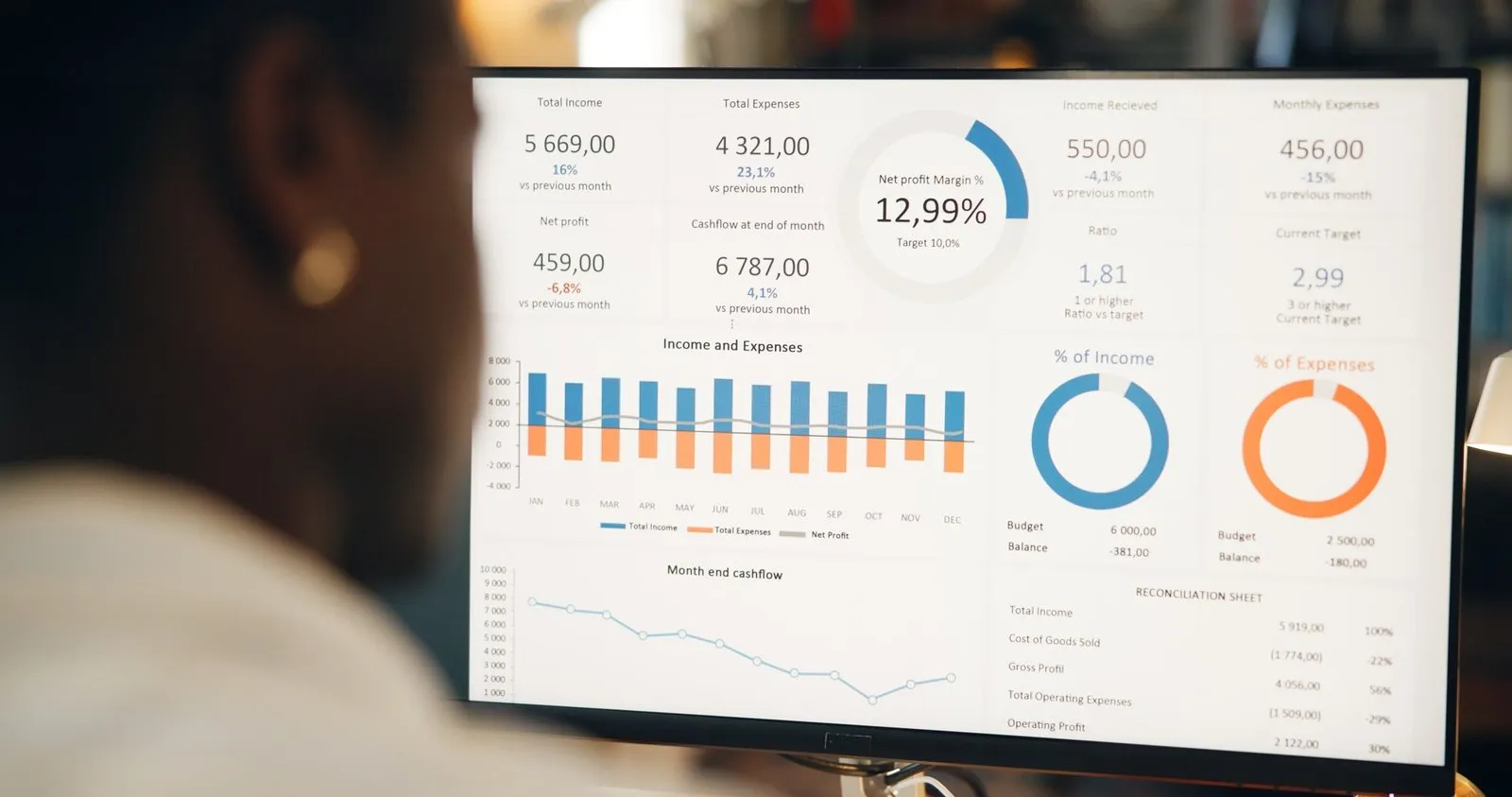 What is Microsoft Dynamics 365? Apps, pricing and AI agentsMicrosoft's CRM and ERP apps explained for Australian businesses: what each does, AUD pricing, Business Central vs Finance, and Copilot agents.
 What is an ERP platform? A guide for Australian businessesWhat ERP does, when you've outgrown your accounting system, the Australian rules it must handle and the main options for mid-market businesses.
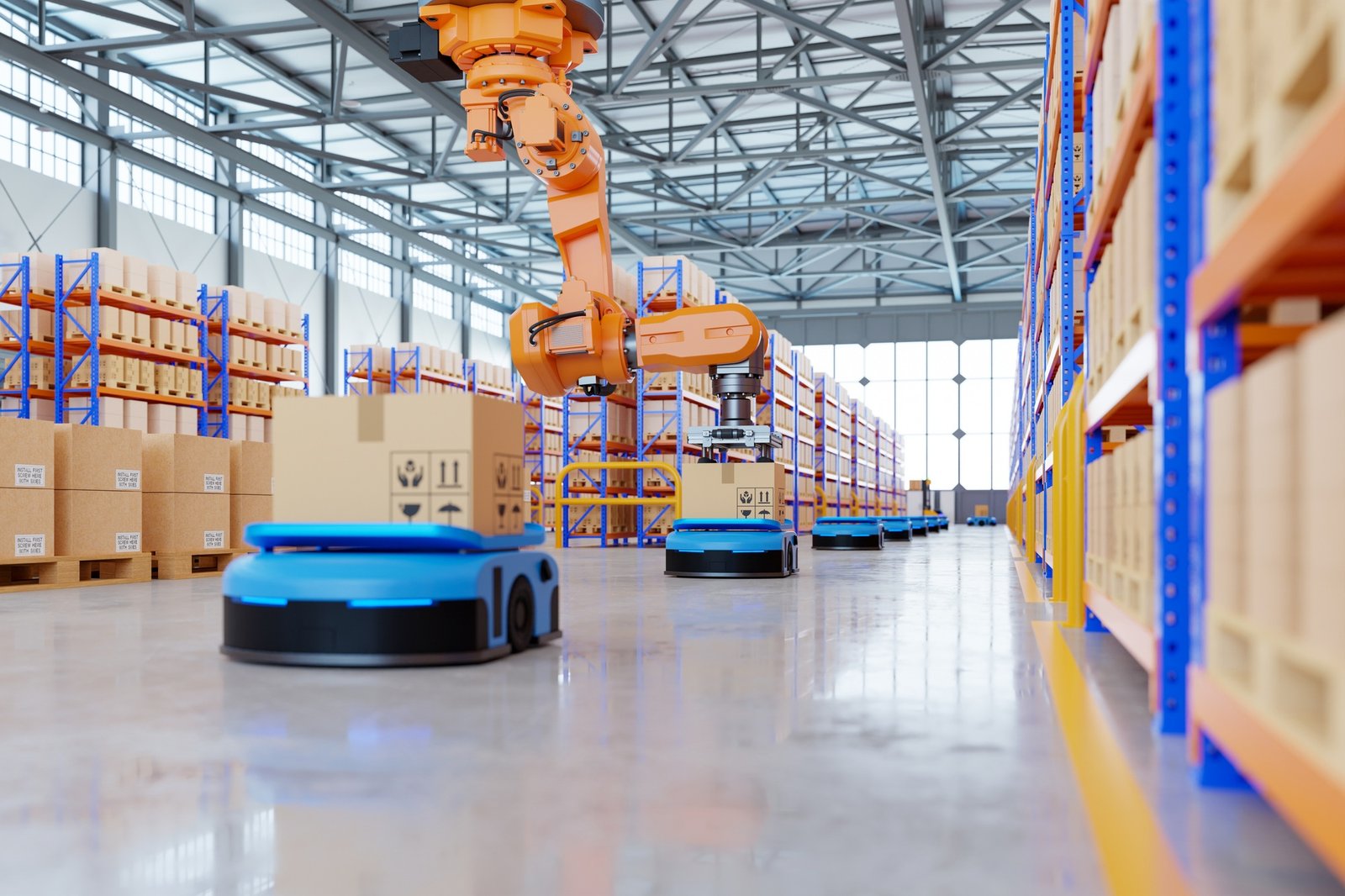 From chaos to coherence: The role of Agentic AI in PIM integrationAgentic AI enables adaptive, self-healing PIM integrations that reduce complexity, improve product data quality, and accelerate time-to-market.