
Overview
Data strategy that connects business goals, governance and the platforms you already run
A data strategy sets out which data matters to your organisation, who is accountable for it, where it is mastered, how it moves between systems and how it is protected. Done well, it's short, specific and tied to decisions: the reports leaders rely on, the customer experiences you want to offer, and the AI uses you're prepared to approve.
Great Minds is a Sydney-based systems integrator, so our data strategy work is grounded in the systems that create and use your data: CRM, ERP, ecommerce, service management, marketing and HR platforms. We map how data actually flows today, agree ownership and quality rules, and produce a roadmap of integration, platform and governance work your team can deliver, with or without us.
Most engagements start from one of four triggers: reports that don't agree because the same data lives in several systems; an AI or automation program that needs trustworthy, permissioned data; a regulatory change such as the Privacy Act's automated decision rules from 10 December 2026; or a platform change, such as a new CRM or ERP, that forces decisions about what moves and where it's mastered.
Your data should be a business enabler, not a blocker.
A good data strategy gives you:
- Clear ownership – a named owner, definition and quality rule for each critical data domain
- Connected platforms – CRM, ERP, ecommerce and BI tools sharing data through designed integrations instead of re-keying
- AI readiness – data that is permissioned, documented and accurate enough for the AI uses you approve
- Decisions first – a roadmap tied to the reports and decisions the business actually needs

Capabilities
What we deliver
Define and implement a data strategy that aligns your organisation’s data initiatives with your overarching business objectives.
A data strategy is only useful if it changes what gets built. Ours covers three linked pieces of work, and each ends in something your team can act on: an operating model, a target architecture, and the reporting and AI uses they support.
 01Data operating modelData domains, owners and stewards, definitions, quality rules and access policies, written down and agreed. We cover how data is classified, who approves access, and how privacy and security obligations are met in practice.
 02Modern data architectureA target architecture showing where each data domain is mastered, how it moves between systems, and where reporting and AI read from it, designed around your current stack rather than a greenfield ideal.
 03Data-driven decisionsWe start from the decisions and reports leaders rely on, define the metrics behind them, and trace each one back to its source systems. Then we fix the gaps so the numbers agree and people trust them.
How we deliver
A data strategy engagement, from discovery to roadmap
Interviews with business and technology owners, a review of your main systems and integrations, and an inventory of critical data: customers, products, finance, people and operations. We find where data is duplicated, re-keyed or ungoverned.
We link data problems to business outcomes and risks, then agree which domains, decisions and AI uses matter most. That keeps the strategy focused on a few things done properly.
The operating model, governance policies, target architecture and data quality rules for the priority domains, reviewed with the people who will run them.
A sequenced roadmap of integration, platform and governance work with owners and dependencies. We can deliver it with you: data integration, single customer view and agentic AI are where most roadmaps lead. AI agents do repetitive work such as data profiling and mapping; senior consultants are accountable for the design and the decisions.
Australian considerations
What Australian organisations need to build in
The Privacy Act shapes most data strategies here. The Australian Privacy Principles require you to take reasonable steps to keep personal information accurate, up to date and complete (APP 10), protect it from misuse, loss and unauthorised access, and destroy or de-identify it when it's no longer needed (APP 11), and take steps to protect it before it's disclosed overseas (APP 8). A data strategy should show where personal information sits and how each obligation is met.
From 10 December 2026, privacy policies must also disclose when computer programs make, or substantially help make, decisions that significantly affect people, and the kinds of personal information those programs use. Our guide to automated decisions and the Privacy Act explains which systems are caught.
APRA-regulated entities have more to evidence. CPS 234 covers information security, CPS 230 (in force since 1 July 2025) covers operational risk management, including material service providers, and APRA's prudential practice guide CPG 235 sets out its expectations for managing data risk across the data life cycle. We design governance and architecture so that evidence comes from normal operations, rather than being assembled for an audit.
FAQ
Data strategy questions
What should a data strategy include?
At minimum: the business outcomes the data must support, the critical data domains and their owners, governance and quality rules, a target architecture showing where data is mastered and how it moves, and a prioritised roadmap. It should be short enough that people actually use it.
How is a data strategy different from data governance?
Governance is one part of it: the policies, roles and rules for managing data. A data strategy also covers why the data matters, which platforms and integrations you need, and the order you'll do the work in.
Do we need a new data platform?
Not necessarily. Many organisations get more value from fixing ownership, definitions and integrations between the systems they already run than from adding a platform. Where a data warehouse, a customer data platform or Salesforce Data Cloud makes sense, the strategy should say why and what it replaces.
Is our data ready for AI?
AI tools and agents can only use the data they can reach, and they inherit its quality and permissions. Readiness means knowing which data an AI use needs, that it's accurate enough, that access follows your permissions, and that personal information is handled in line with the Privacy Act. We assess this per use case rather than in the abstract.
Can you deliver the roadmap as well as write it?
Yes. As a systems integrator we build the integrations, platform changes and automation the roadmap calls for. You can also deliver it with your own team or another partner; we write the roadmap so it stands on its own.
People
The people behind the work
Our team of data strategists, architects, and governance experts works closely with your organisation to build tailored data strategies that align with your business objectives.
Our data strategists and solution architects work with your business owners, not just IT. Senior consultants run the workshops and are accountable for the recommendations; AI agents help with repetitive analysis such as data profiling and mapping.
Case studies
Data and integration work in practice
Published examples include migrating more than one million email marketing recipients from Salesforce Marketing Cloud to Klaviyo, and migrating and structuring 300,000 creative assets for a retailer's digital asset management platform.
 One asset library for APAC, EMEA and North AmericaModernising creative storage and operations for a global retailerEnabling global brand consistency through enterprise Digital Asset Management
 4x faster campaign execution, 1M+ contacts migratedSalesforce Marketing Cloud to Klaviyo migration with 1M+ email marketing recipientsUnlocking personalised growth at scale through Klaviyo implementation and data migration
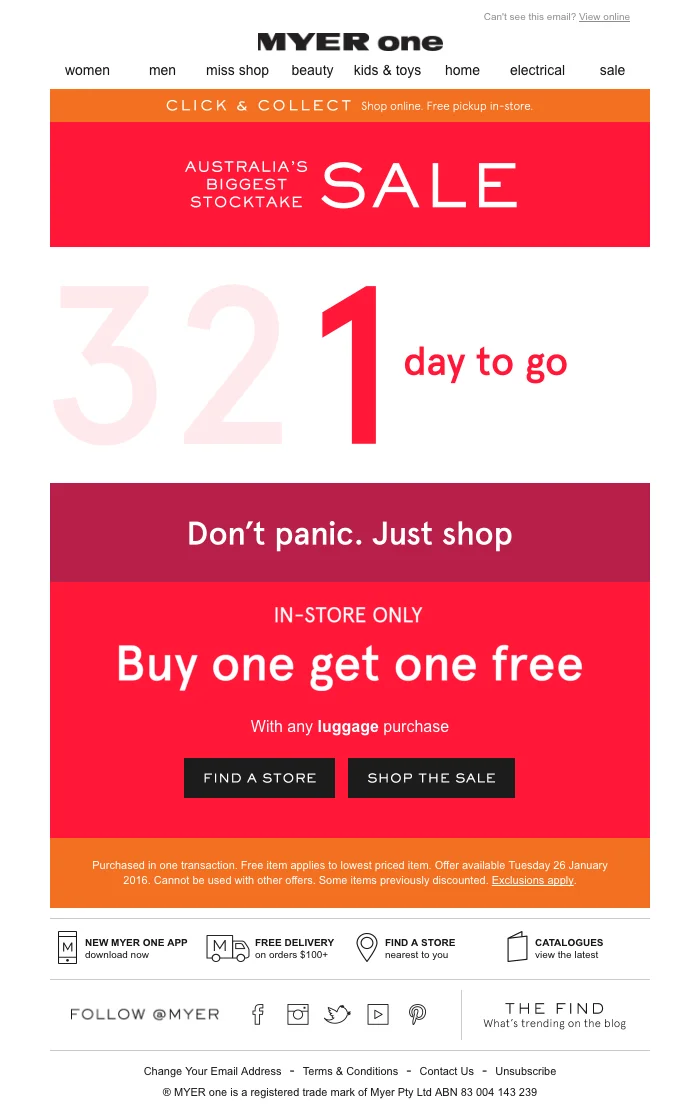 Segmented, personalised email for 1.4M+ recipientsSegmented, personalised email for 1.4M+ Myer customersMyer brought us in to fix segmentation and personalisation in an email programme reaching 1.4M+ recipients, with 11.2M+ emails sent.
Insights
Latest thinking
 Migrating from Salesforce Marketing Cloud to Klaviyo: lessons from 1M+ contactsHow to move from Salesforce Marketing Cloud to Klaviyo: what the integration moves, Spam Act consent, active-profile costs, warming and cutover.
 What is a CDP (customer data platform)? How it differs from a CRMA CDP unifies customer data from every system into one profile other tools can use.
 Klaviyo and Shopify Plus for Australian retailers: data flows that hold up at peak seasonThe Klaviyo and Shopify Plus data flows that fail at Black Friday: webhooks, consent, catalog sync, API limits, sending volume and Australian spam rules.