
Overview
What a digital experience platform is, and how we help you choose one
A digital experience platform (DXP) is the set of tools behind your websites, apps and portals: content management, digital assets, personalisation, search, analytics and the customer data that drives them. Some vendors sell it as a suite, such as Adobe Experience Manager with Adobe's analytics and customer data products. Others assemble it from separate services, such as a headless CMS, search, commerce and personalisation tools, which is usually called a composable approach.
Great Minds is a Sydney-based systems integrator. We help marketing, digital and IT teams decide between a suite and a composable stack, plan the content model and migration, and build and connect the platform: to the CRM for leads, DAM and PIM for content, commerce, analytics and the customer data platform. For Adobe-specific work, see our AEM Sites page.
Most DXP projects start with a re-platform: a CMS reaching the end of its life, several sites on different systems after acquisitions, a site failing on speed or accessibility, or personalisation plans that the current platform and data can't support.

Capabilities
What a DXP program covers
A DXP is only as good as its content model and the data connected to it. These four pieces of work make up most programs, and we can join at any stage.
Partnerships
DXP platforms we implement and connect
We deliver Adobe Experience Manager Sites and connect digital experience platforms to Salesforce, Microsoft, Klaviyo, DAM, PIM and commerce platforms.
 AdobeAdobe Experience Cloud products, including AEM Sites and AEM Assets, implemented and connected to the CRM, DAM and data systems around them.Adobe AEM SitesAdobe's content management system for websites and headless delivery, with Edge Delivery Services built for page speed.Shopify PlusShopify PlusCommerce platform for brands whose digital experience is led by the online store, connected to PIM, DAM and marketing.
How we deliver
A DXP program, from content audit to launch
An inventory of your sites, content and integrations, an analytics review, and a baseline for page speed and accessibility. Then a recommendation on suite or composable, with a five-year cost comparison covering licences, build, hosting and the team needed to run it.
The content model, component library, information architecture, the first personalisation use cases, the integration design and a migration plan that says what moves, what's rewritten and what's retired.
Components and templates, integrations and content migration. AI agents do much of the repetitive content mapping, migration and checking; our consultants own the design and sign off every change. Accessibility and performance are tested during the build, not after it.
A staged launch with redirects and metadata carried across to protect search rankings, training for authors and editors, then a testing and personalisation roadmap. After launch we can support the platform or hand over to your team.
Australian considerations
What Australian organisations need to check
Accessibility is a legal issue as well as a design one. The Disability Discrimination Act 1992 applies to websites and apps, and the Australian Human Rights Commission's April 2025 guidelines on equal access to digital goods and services recommend conforming with WCAG 2.2 at Level AA as a minimum. In our WCAG compliance project for an ecommerce business, an accessibility audit and compliance report were followed by implementation and testing.
Personalisation uses personal information, so the Australian Privacy Principles apply: collect only what you need, tell people what you collect and why, and check where each tool stores visitor data before it goes overseas (APP 8). If your DXP sets prices or offers by customer in ways that significantly affect people, the Privacy Act's automated decision rules apply from 10 December 2026. Our guide to automated decisions and the Privacy Act explains the test.
FAQ
Digital experience platform questions
What's the difference between a DXP and a CMS?
A CMS manages and publishes content. A DXP adds the tools around it, such as personalisation, digital asset management, search, analytics and customer data, so content can change based on who's viewing it and every channel draws from the same source. Many organisations start with a CMS and add DXP capabilities as their data matures.
Should we choose a suite or a composable stack?
A suite such as Adobe Experience Manager suits organisations that want one vendor, deep integration between content, assets and analytics, and a large marketing team. A composable stack suits organisations with strong in-house engineering that want to choose each component. The deciding factors are usually your team, your existing platforms and five-year cost, not features.
Do we need personalisation from day one?
No. Launch with a solid content model and clean measurement, then add personalisation to a few journeys where you have the data and consent to support it. Personalisation without good data often makes experiences worse.
How do we protect search rankings when we re-platform?
Map every old URL to its new one with permanent redirects, carry page titles, descriptions and structured data across, and keep the content that ranks. Check the redirects and crawl the new site before and after launch.
What accessibility standard should our site meet?
WCAG 2.2 at Level AA is the target the Australian Human Rights Commission recommends as a minimum. Building it into components and templates is far cheaper than fixing pages one at a time after launch.
Where does Adobe Experience Manager fit?
AEM Sites is Adobe's CMS for websites and headless delivery, closely tied to AEM Assets and the rest of Adobe Experience Cloud. It usually suits organisations already invested in Adobe. Our AEM Sites page covers implementation, migration and performance.
People
Digital experience consultants, architects and developers
Our DXP consultants work with marketing, digital and IT teams on platform choice, content models and integrations, then build and migrate. They stay accountable for the result, with AI agents doing repetitive content mapping and migration checks under their review.
Case studies
Digital experiences in practice
For Lenovo we built the Think Progress content hub, expanded across 14 countries in EMEA. For Canon Australia we created a content hub for Australian small and medium businesses, and for an ecommerce business in Hong Kong we delivered WCAG accessibility compliance.
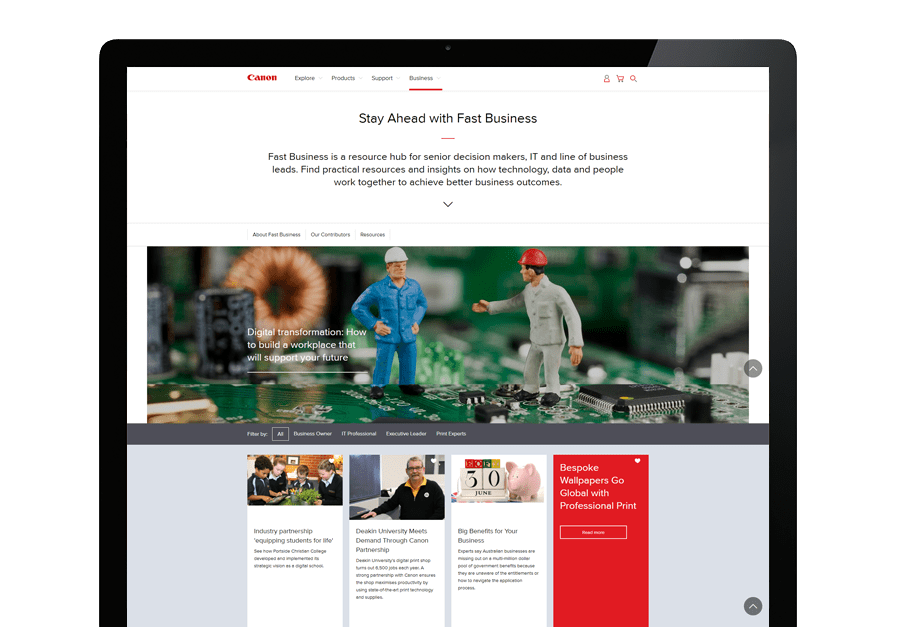 A content platform shaped by research with 1,000+ businessesA content platform for Canon's Australian SMB audienceCanon Fast Business, now Business Insights: a content platform for Australian SMBs, designed and built by one team across UX, content and data analytics.
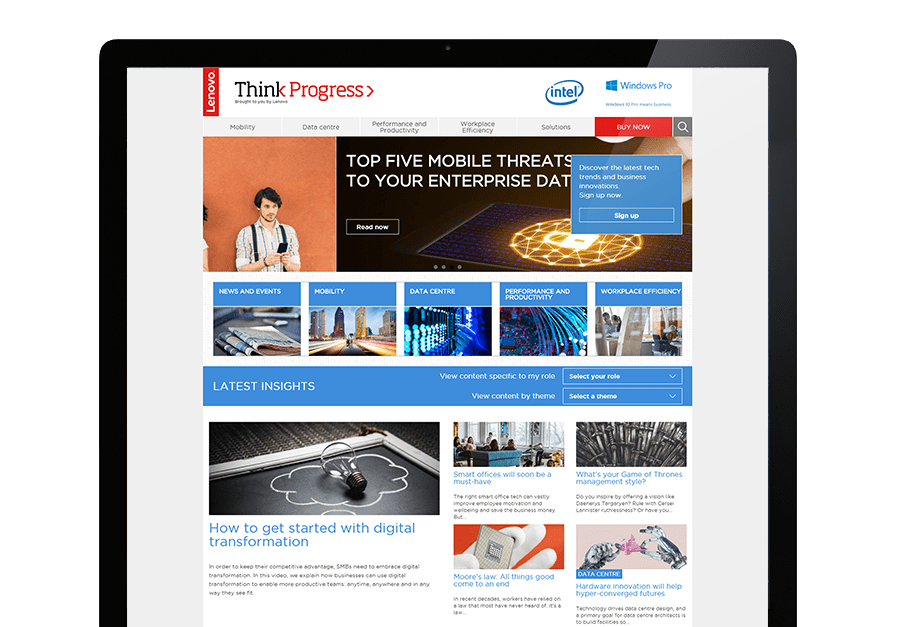 14 countries and 7 languages on one content platformEngaging business & IT professionals in over 14 markets and 7 different languagesThe Think Progress site, launched in the UK on 16th July 2014, was expanded across 14 different countries in EMEA by the end of the fiscal year.
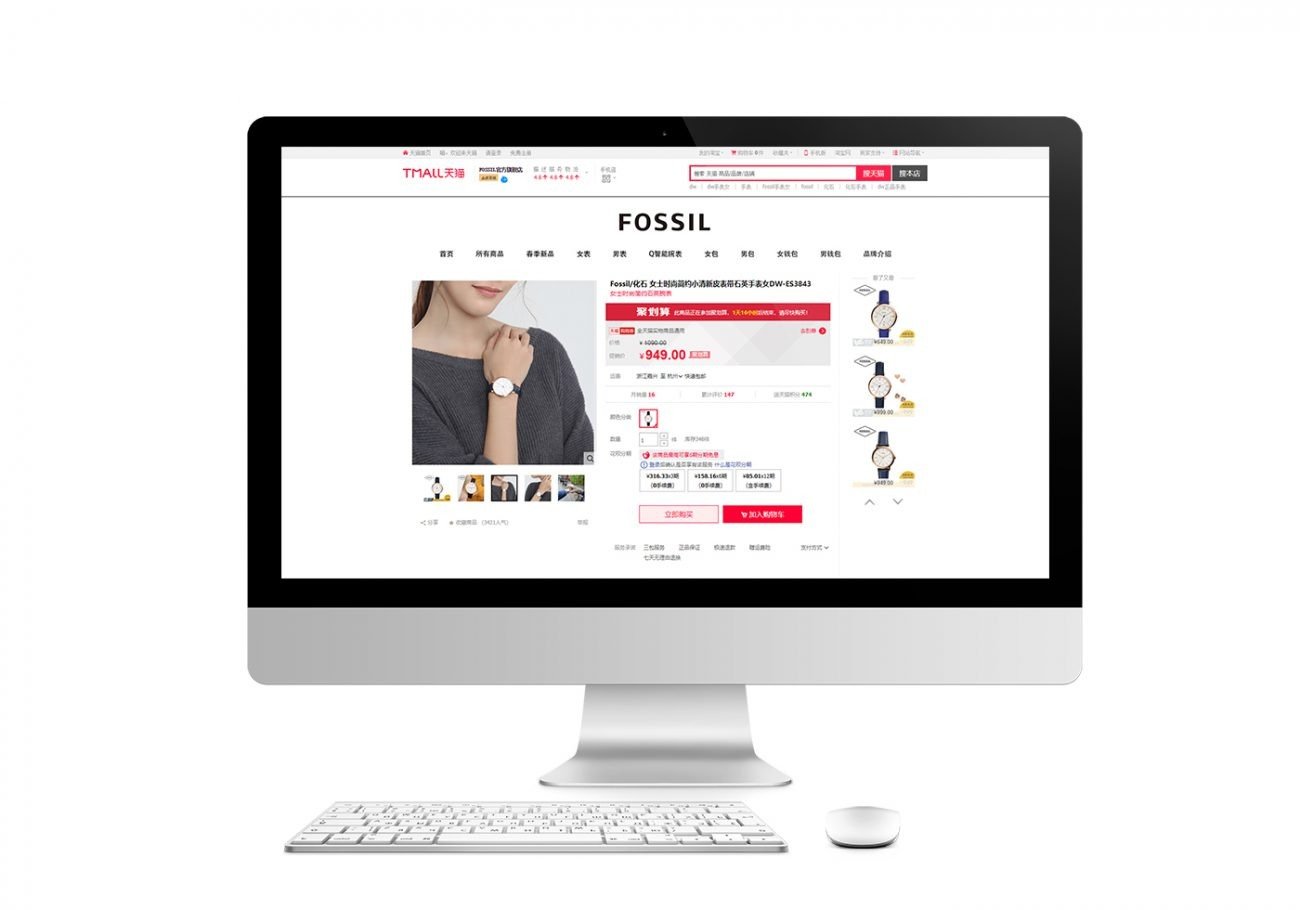 2,500+ localised assets for China online platformsLocalised content operations for Fossil's China online business2,500+ localised content assets for Fossil's online platforms across APAC, produced through a workflow built for brand consistency and speed.
Insights
The latest from our team.
 Moving work management to the cloud: a guide for Australian organisationsData Center end of life, data residency in Sydney, IRAP, Cloud plans and AI, and how to plan the move.
 Agentic AI in systems integration: what it does and how to govern itWhat AI agents do in integration projects and what people still own, MCP, governance, why projects fail, and a real result.
 Atlassian licensing in Australia: buy, renew and pay in AUDPlans and Collections, Rovo credits and usage billing, USD invoicing and GST, overspend and a renewal checklist.